Tutkimuspeptidi
Cagrilintid 5 mg
Eräanalyysi · >99 % puhtaus
Painonhallinta≥99 % puhtausEräanalyysi
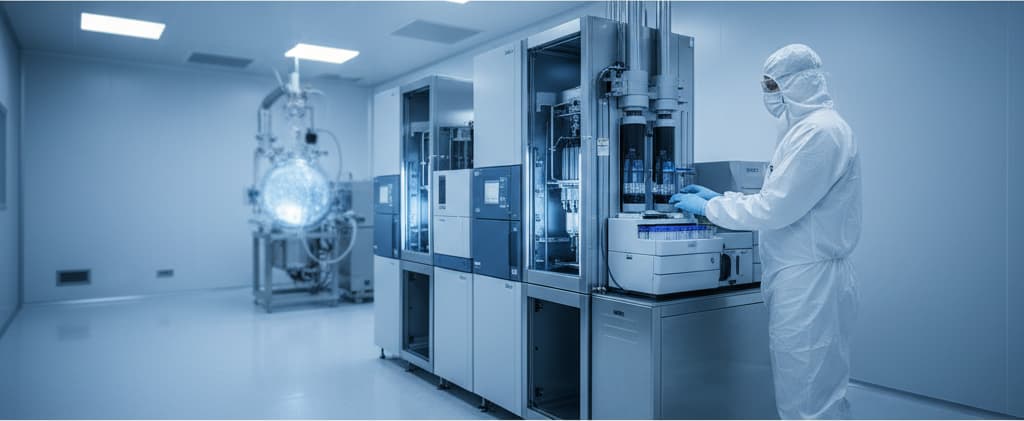
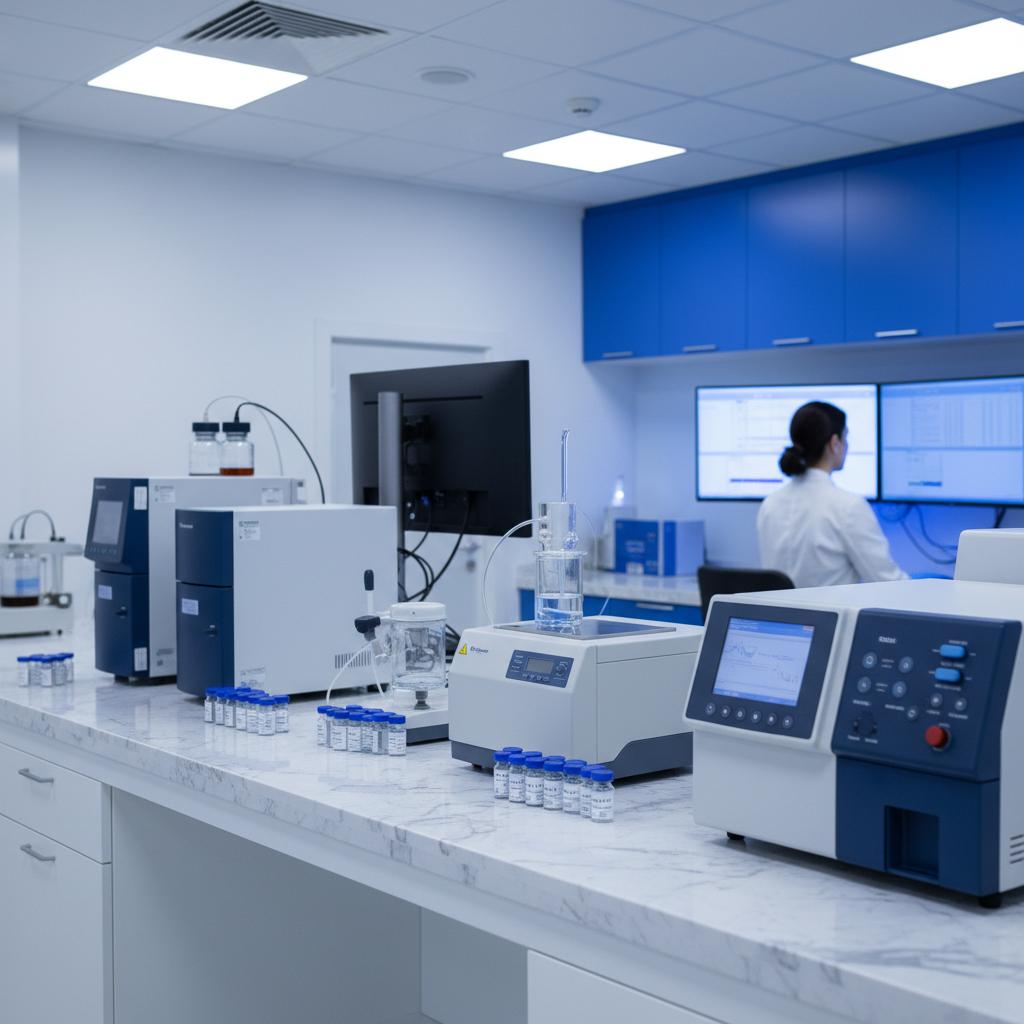
Kuvituskuva; ulkoasu ja pakkaus voivat poiketa. 10 merkitsemätöntä injektiopulloa, merkinnät vain pakkauksessa. Ratkaiseva on valittu vahvuus.
Tutkimuspeptidi
Eräanalyysi · >99 % puhtaus
Kuvituskuva; ulkoasu ja pakkaus voivat poiketa. 10 merkitsemätöntä injektiopulloa, merkinnät vain pakkauksessa. Ratkaiseva on valittu vahvuus.





Ei vielä arvosteluja. Olkaa ensimmäinen ja jakakaa kokemuksenne.
5-Amino-1MQ
AOD-9604
Retatrutide
Semaglutid
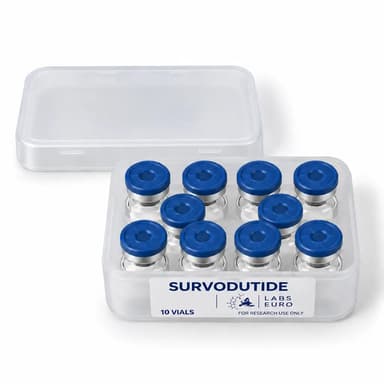
Survodutid 10 mg
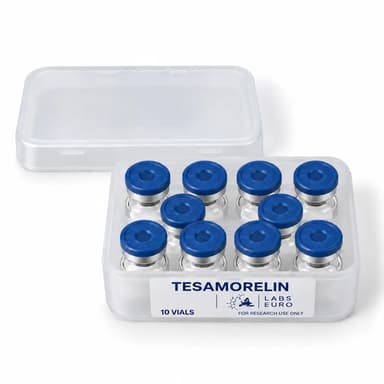
Tesamorelin
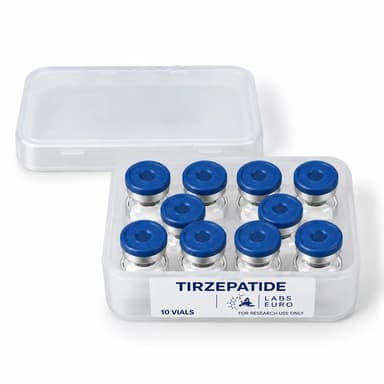
Tirzepatid
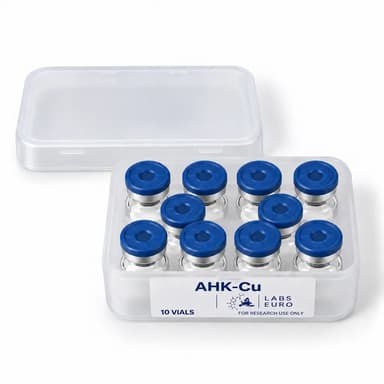
AHK-Cu
Vain Research Use Only (RUO)
Taso I · Synteesin QC
Taso I · Synteesin QC
Sisäinen · vaiheittain
RP-HPLC, MS-vahvistus, sekvenssin varmistus puhdastilassa.
Taso II · prosessinaikainen
Taso II · prosessinaikainen
Erä · lopullinen
Identiteetti, puhtaus ja vaikuttavan aineen pitoisuus ennen vapautusta.
Taso III · ulkopuolinen laboratorio
Taso III · ulkopuolinen laboratorio
Ulkoinen · riippumaton
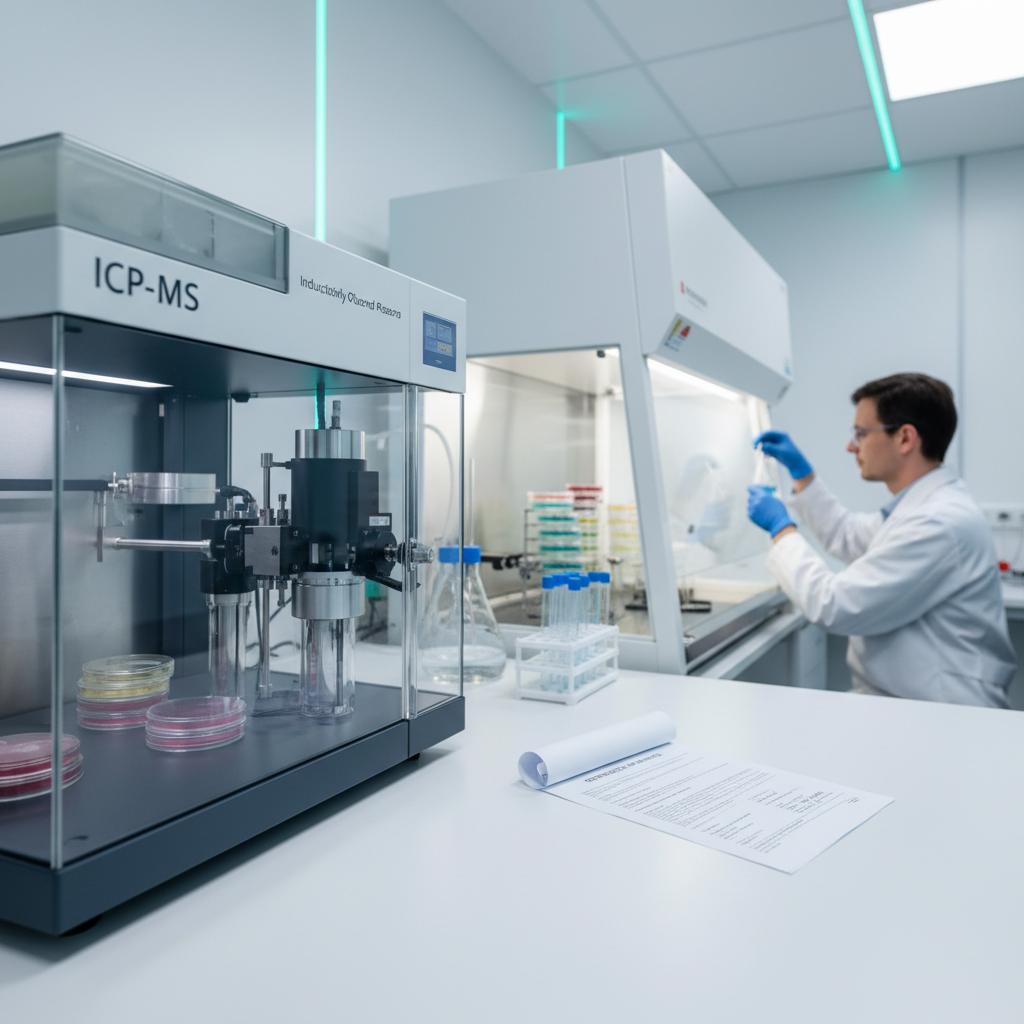
HPLC, ICP-MS ja mikrobiologia akkreditoidussa laboratoriossa.
953
tyytyväistä asiakasta
99,41 %
Keskimääräinen puhtaus 2026
4,8 ★
Verkkokaupan arvosana
Cagrilintide is a long-acting analogue of the hormone amylin. Amylin is released together with insulin from the beta cells of the pancreas and sends satiety signals to the brain. Unlike GLP-1 receptor agonists, cagrilintide therefore uses a separate signalling pathway that is of interest for research into appetite regulation and energy balance.
Amylin binds to receptors in brain regions involved in the control of food intake and satiety. In this way it adds a second, clearly distinguishable layer to GLP-1 signalling. Cagrilintide was specifically designed to remain available in the body for longer than the natural hormone; in clinical studies it could therefore be investigated once weekly.
The distinction is central to the biology. GLP-1 is formed in the gut and influences, among other things, insulin secretion and the feeling of satiety. Amylin comes from the beta cells of the pancreas and accompanies insulin release. Both hormones contribute to the regulation of hunger and food intake, but do so through different receptors and neural circuits.
For research, this separation opens the possibility of looking at satiety through not just one but two physiologically relevant pathways. Cagrilintide represents the amylin-mediated side. Its long duration of action makes the analogue particularly suitable for investigating time courses and sustained signalling effects in preclinical and clinical models.
In a multicentre, randomised, double-blind phase 2 study, cagrilintide was tested as monotherapy in adults with overweight or obesity without diabetes. Over 26 weeks, the highest-dose cagrilintide group studied achieved a mean weight reduction of 10.8%, compared with 3.0% with placebo. The analysis used a trial-product estimand, which presupposes adherence to the study medication.
The result is a robust signal for amylin-mediated weight regulation under controlled conditions. It applies to the studied population and the study intervention used at the time, not as an individual expectation. Gastrointestinal events were more frequent in the cagrilintide arm than with placebo; this point belongs to a complete assessment of the study without obscuring its finding.
An important clinical perspective comes from the combination of cagrilintide and semaglutide, often called CagriSema. In the randomised phase 3a trial REDEFINE 1, mean weight in adults with overweight or obesity fell by 20.4% after 68 weeks on the combination, compared with 3.0% with placebo. The analysis used a treatment-policy estimand.
This figure describes the combination, not cagrilintide alone. Differences in study duration, intervention and analysis strategy make a direct comparison with monotherapy invalid. This clear separation matters because it shows that the combination represents an additional clinical approach without replacing the results for the single substance.
The Cagrilintide 5 mg variant contains 5 mg of substance per vial. This figure refers to the amount or strength, not a concentration or an administered dose. For research work, the focus is on biological identity: a long-acting amylin analogue that has been studied as monotherapy and in combination in controlled trials.
Researchers who want to investigate the amylin signalling pathway specifically will find cagrilintide a suitable substance for such studies. Order Cagrilintide 5 mg now and choose the variant for your research project in the shop.
Jokainen erä analysoidaan ennen toimitusta riippumattomassa laboratoriossa HPLC-menetelmällä. Dokumentoimme puhtauden (keskiarvo 99,41 % vuonna 2026), massaspektrometrisen identiteetin ja steriiliyden. Tuotanto tapahtuu GMP-standardien mukaisesti ISO-sertifioiduissa laboratorioissa.
Cagrilintid ist ein langwirksames Analogon des Hormons Amylin. Es wird im Zusammenhang mit Gewichtsregulation als Monotherapie und in Kombination mit Semaglutid untersucht.
Amylin wird gemeinsam mit Insulin freigesetzt und vermittelt Sättigung über eigene Rezeptoren im Gehirn. Dieser Weg ist von der GLP-1-Signalübertragung unterscheidbar und ergänzt sie physiologisch.
In der Phase-2-Studie bei Erwachsenen mit Übergewicht oder Adipositas ohne Diabetes sank das mittlere Gewicht nach 26 Wochen in der höchsten untersuchten Cagrilintid-Gruppe um 10,8 Prozent gegenüber 3,0 Prozent unter Placebo. Die Auswertung setzte die Einhaltung der Studienmedikation voraus.
Weil die Kombination aus Cagrilintid und Semaglutid eine eigene Intervention mit eigener Studiendauer und Auswertung ist. Die Ergebnisse aus REDEFINE 1 gelten für die Kombination und nicht für Cagrilintid allein.
Für Untersuchungen zur amylinvermittelten Sättigung, zur Energiebilanz und zur Abgrenzung gegenüber GLP-1-Signalwegen. Die Kombinationsdaten erweitern diese Perspektive um die gleichzeitige Adressierung beider Wege.