Ipamorelin: a pentapeptide with a selective profile
Ipamorelin is a synthetic pentapeptide made up of five amino acids and belongs to the growth hormone secretagogues. In the late 1990s it was described as the first selective GH secretagogue: in the experiments at the time, it stimulated the release of growth hormone (GH) without stimulating the other pituitary hormones to the same extent. This very question of selectivity is what keeps the molecule interesting today.
Its site of action is the GHRP and ghrelin receptor pathway. Ipamorelin belongs to the ghrelin mimetics and binds to the corresponding receptor on the somatotropic cells of the pituitary. There it sets a cellular signaling cascade in motion that ends in the secretion of GH. Because this pathway runs through a different receptor from the one GHRH uses, its profile differs from that of a GHRH analog.
Selectivity: growth hormone in focus
GH release is part of a coordinated regulatory loop: GHRH drives it, somatostatin restrains it, and the ghrelin pathway provides its own input. A secretagogue that primarily uses this third pathway makes the somatotropic axis accessible in a targeted way.
In the original studies, Ipamorelin was tested on rat pituitary cells, in rats and in pigs. GH release was observed. The comparison with GHRP-2 and GHRP-6 was particularly informative: with Ipamorelin, the ACTH and cortisol response was lower than with the two reference peptides (original study by Raun and colleagues).
These findings come from cellular and animal models. They show how the peptide acts in these systems, and they are not evidence that cortisol or adverse effects remain unaffected in humans.
What has been measured in humans
In 1999, Ipamorelin was investigated in an early clinical study in healthy male volunteers. An acute episode of GH release was measured; at the same time, the compound's time course in the body could be described with a pharmacokinetic-pharmacodynamic model (study by Gobburu and colleagues). For research, this is a robust indication that the human GH axis responds to the peptide.
However, an acute hormone surge remains a biomarker. The study was small and limited to healthy men, as is usual for early clinical trials. The hormone level says nothing about muscle mass, body fat, sleep quality or recovery; that would require studies with precisely these endpoints.
Why bowel activity was investigated
Ghrelin and GH secretagogues do not affect only the pituitary. The receptor pathway is also involved in controlling gastrointestinal motility, and delayed bowel activity after abdominal surgery is a clinically relevant problem. This connection raised the question of whether a ghrelin mimetic could favorably influence postoperative ileus after bowel resection.
The phase II study and its primary result
In 2014, a multicenter, double-blind, placebo-controlled phase II study tested Ipamorelin in patients after bowel resection; 117 people were enrolled (phase II study by Beck and colleagues). Time to the first tolerated solid meal was numerically shorter with Ipamorelin, but the primary comparison did not reach statistical significance, with p = 0.15.
For this endpoint, the study therefore remains a negative finding: a trend without established efficacy. The intravenous study formulation and the surgical population are also important; the result cannot be transferred to ordinary digestive complaints.
Buy Ipamorelin: variants for research
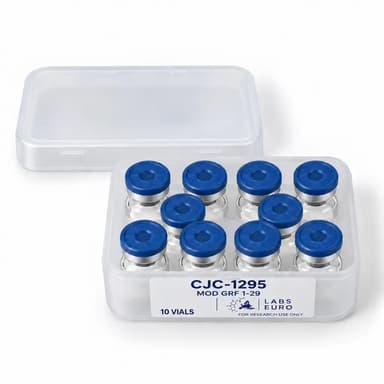
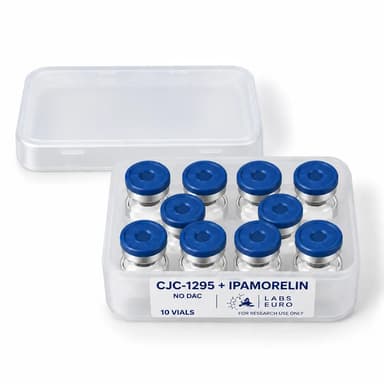
Ipamorelin is available in variants with 5 mg and 10 mg per vial. Anyone who needs the peptide for their own research project can buy Ipamorelin and select the amount they need in the shop.