5–11 business-day shipping across Europe·10 vials per kit·Research Use Only·5–11 business-day shipping across Europe·10 vials per kit·Research Use Only·
Eurolabs Peptides
Peptides
Peptides · Section06
  • 01Weight managementMetabolic research
  • 02RecoveryTissue and recovery research
  • 03SkinSkin research
  • 04Ageing researchCellular processes
  • 05CognitionNeuroscience
  • 06Growth hormoneHormone research
All products
Science
Science · Section04
  • 01Amino acidsPrinciples and methods
  • 02Peptide bondPrinciples and methods
  • 03SynthesisPrinciples and methods
  • 04AnalysisPrinciples and methods
Study dossier
Applications
Applications · Section06
  • 01Cosmetic & SkincareSix research areas
  • 02Wound Care & RegenerationSix research areas
  • 03Wellness & Sports PerformanceSix research areas
  • 04Metabolic & Pharma-AdjacentSix research areas
  • 05CNS & NootropicsSix research areas
  • 06Longevity & SenolyticsSix research areas
Partners
Partners · Section04
  • 01Affiliate programProgramme and access
  • 02B2BProgramme and access
  • 03ApplyProgramme and access
  • 04Log inProgramme and access
Partners
Study journal
Study journal · Section01
  • 01Study journalPeer-reviewed study database
Study journal
Partners
Product enquiry

How can we help?

We can help with questions about products, strengths, available documents and existing orders.

How can we help?
How can we help?
Customer support
[email protected]
Direct inquiry

Write to us

Eurolabs Peptides

Founded from research, built for research.

Research peptides from Eurolabs Peptides.

For research purposes only. Not for human consumption.

Peptides

  • Peptides
  • Science
  • Applications
  • Study journal
  • Favorites

Knowledge

  • Research Use Only
  • Study dossier
  • Inquiry list
  • Partners
  • Partner portal

Help

  • Payment & Shipping
  • FAQs
  • Contact
Language

Language

Accepted payments
Visa
Mastercard
Stripe
PayPal
Apple Pay
Google Pay
American Express
SEPA
Revolut
Shipping partner
DHL Shipping

© 2026 Euro Lab GbR. All rights reserved.

Site map·Legal notice·Privacy Policy·Terms & Conditions
Log in
  1. Home
  2. Peptides
  3. Thymosin Alpha 1

EL-12· Research peptide

Thymosin Alpha 1

Batch analytics · >99 % purity

RecoveryImmunology≥99% purityBatch analytics

Thymosin Alpha 1 is a 28-amino-acid research peptide with an acetylated N-terminus. Its signalling in dendritic cells and through Toll-like receptors makes it a compelling model for immune balance.

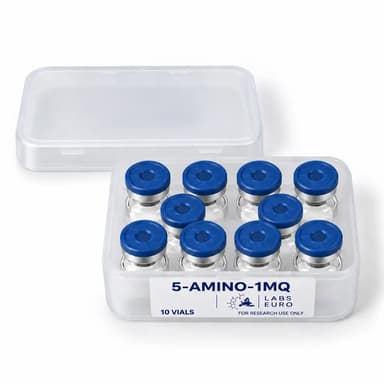
Illustrative image; appearance and packaging may vary. 10 unlabelled vials, labelled only on the kit packaging. The selected strength applies.

Ready to ship
Strength per vial · Kit prices

1 Kit contains 10 vials

Total€419.001 Kit · 10 vials€41.90 / vial
1
Visa
Mastercard
Stripe
PayPal
Apple Pay
Google Pay
American Express
SEPA
Revolut

Customer Reviews

No reviews yet. Be the first to share your experience.

Research Use Only (RUO)

HPLC analysisBatch-specific analytics
Independently verified quality
  • T.01
    Avg. 99.41% HPLC (2026)
    Every batch independently analyzed
  • T.02
    14-day money back
    On purity deviation
  • T.03
    GMP-compliant production
    ISO-certified lab partners
  • T.04
    Discreet ordering
    Neutral packaging
Quality assurance

Three independent verification layers

  • Synthesis QC labQ.01
    Q.01

    Tier I · Synthesis QC

    Tier I · Synthesis QC

    In-house · per step

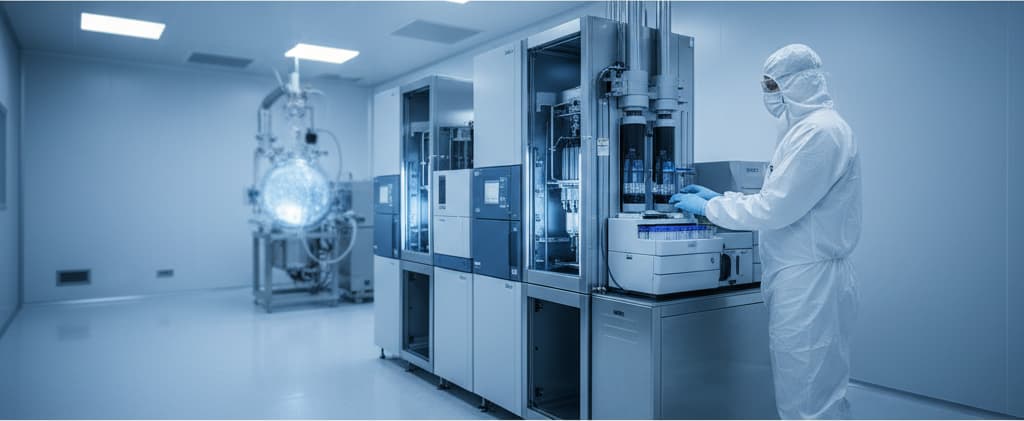
    RP-HPLC, MS confirmation, sequence verification in cleanroom.

  • In-process analyticsQ.02
    Q.02

    Tier II · In-process

    Tier II · In-process

    Batch · final

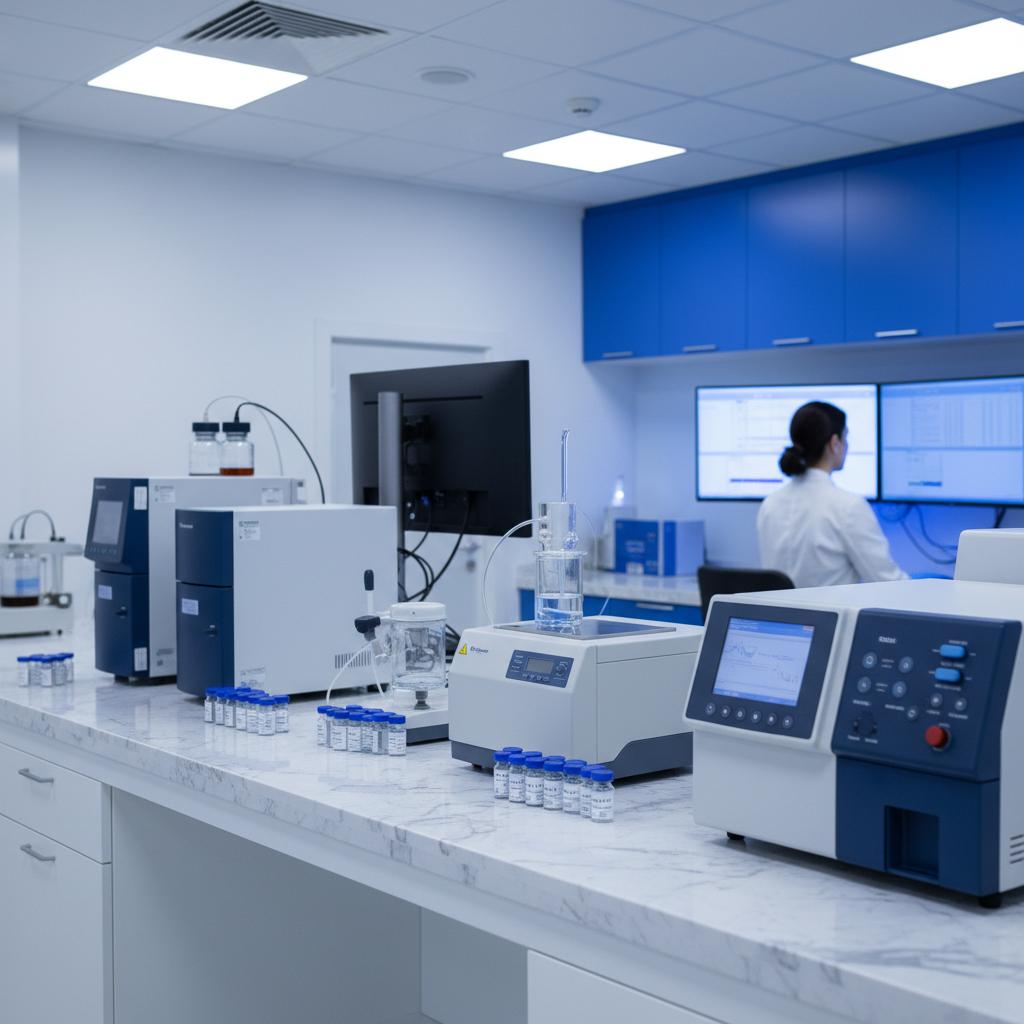
    Identity, purity, and assay before release.

  • Third-party lab analyticsQ.03
    Q.03

    Tier III · Third-party lab

    Tier III · Third-party lab

    External · independent

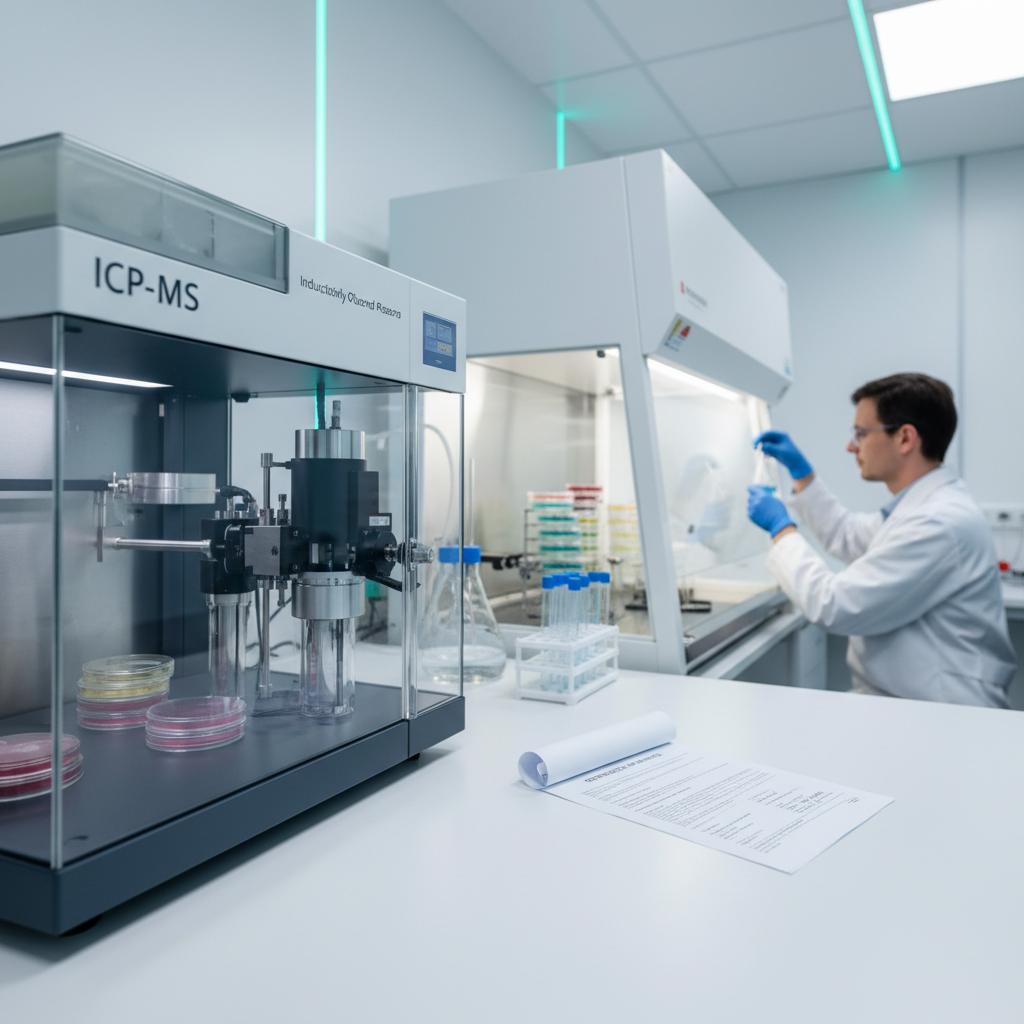
    HPLC, ICP-MS, and microbiology by accredited lab.

953

satisfied

99.41%

Avg. purity 2026

4.8 ★

Store rating

EL-12 · Reference data

Immunmodulatorisches 28-AS-Peptid

Sequence
Ac-SDAAVDTSSEITTKDLKEKKEVVEEAEN
Molecular weight
3.108 kDa
CAS
62304-98-7
Origin
Synthese · Basel (CH)

Aliases: Thymalfasin · Zadaxin

About Thymosin Alpha 1 (Thymosin Alpha 1)

Buy Thymosin Alpha 1: Between Defence and Tolerance

Thymosin Alpha 1, also known as thymalfasin, is a peptide of 28 amino acids. Its primary sequence carries acetylserine at the N-terminus; this acetylated amino acid is part of the molecule's reference structure (primary sequence analysis). This clearly defines its molecular identity for immunological research.

The focus is on communication between innate and adaptive immunity. Dendritic cells recognise microbial patterns, mature and then send signals to T cells. The experimental findings on Thymosin Alpha 1 centre on this interface, where the peptide's dual role also becomes apparent.

Dendritic cells: maturation with a clear direction

In experiments with dendritic cells exposed to fungi, Thymosin Alpha 1 stimulated functional maturation and IL-12 production (study in dendritic cells exposed to fungi). IL-12 is a central signal for Th1 responses directed against fungi and intracellular pathogens. Dendritic cell maturation is crucial here: only then do they present antigens effectively and release the appropriate cytokines.

Mechanistically, this maturation proceeded via MyD88 and the p38-MAPK/NF-kappaB axis. These signalling proteins translate maturation stimuli into cellular programmes and regulate inflammatory responses, among other things. When p38 or NF-kappaB was inhibited, the IL-12p70 response did not occur. This shows how closely the observed IL-12 production is coupled to these signalling pathways.

A revealing difference emerged in TLR-transfected HEK293 reporter cells carrying individual Toll-like receptors. There, Thymosin Alpha 1 increased IL-8 secretion via TLR9, both on its own and in combination with CpG. The TLR2 response, by contrast, was enhanced only in the presence of zymosan.

TLR9 therefore responded without an additional CpG stimulus, whereas enhancing the TLR2 response required a second stimulus. These functional measurements do not prove direct receptor binding; however, they show clearly that the signalling effect depends on the receptor and the stimulus context.

Antifungal immunity in a transplantation model

In a mouse model of haematopoietic transplantation, researchers tested whether this cellular effect could translate into a targeted immune response. In susceptible animals infected with Aspergillus fumigatus, synthetic Thymosin Alpha 1 promoted Th1-dependent antifungal immunity, accelerated myeloid cell recovery and protected against aspergillosis (mouse model of antifungal defence).

The finding links dendritic cell maturation to a specific pathogen context. The immune response was directed against the fungus, while the myeloid system also recovered faster. It is precisely this link between cellular mechanics and a pathogen-specific outcome that makes the model valuable for immunological research.

IDO and the regulatory side

However, in an experimental model, Thymosin Alpha 1 can also trigger regulatory programmes. In a study of murine dendritic cells, it induced IDO expression and function (IDO study). This enzymatic step degrades tryptophan and can limit T-cell activity. The IDO response required TLR9 and type I interferon receptor signalling and culminated in IL-10 production and the formation of regulatory T cells.

This reveals an important theme: Thymosin Alpha 1 is not a one-dimensional enhancer. Depending on the cellular context and the receptor involved, it can influence both pro-inflammatory and tolerance-promoting programmes. This balance is particularly interesting for immunology because it highlights the fine-tuning between defence and self-limitation. Whereas IDO induction was shown in murine dendritic cells, the same study also examined human and murine dendritic cells for T-helper priming and tolerance.

Clinical studies: two reference points

One clinical reference point is a randomised Japanese dose-comparison study in 316 people with chronic hepatitis B. The study compared two active groups; biochemical and virological responses were recorded, and the overall results were similar. Because it had no placebo or untreated arm, no benefit over a control group can be inferred.

The TESTS phase 3 trial investigated Thymosin Alpha 1 in sepsis. Of 1106 randomised adults, 1089 entered the modified intention-to-treat analysis. All-cause mortality at 28 days was 23.4% with Thymosin Alpha 1 and 24.1% with placebo; the difference was not significant, and the hazard ratio was 0.97.

The primary endpoint was therefore not met; exploratory subgroup findings do not establish a general survival benefit. The experimental findings point to possible signalling pathways but do not prove a general clinical benefit.

Choosing Thymosin Alpha 1 for research

Thymosin Alpha 1 is available here as TA1 10 mg and as Thymosin Alpha 1 5 mg. The stated figures refer to the amount of peptide per vial. Buy Thymosin Alpha 1 now and choose the right variant for your research project.

Quality, purity & batch documentation

Every batch is analyzed by an independent laboratory via HPLC before shipment. We document purity (avg. 99.41% in 2026), mass spectrometry identity, and sterility. Production follows GMP standards in ISO-certified laboratories.

Frequently asked questions

Thymosin Alpha 1, also called thymalfasin, is a peptide of 28 amino acids. Its reference sequence carries acetylserine at the N-terminus; in research it is studied mainly in connection with dendritic cells and Toll-like receptors.

In experimental systems with dendritic cells exposed to fungi, Thymosin Alpha 1 stimulated functional maturation and IL-12 production. IL-12 supports Th1 responses; maturation also enables dendritic cells to present antigens and activate T cells more effectively.

In TLR-transfected reporter cells, Thymosin Alpha 1 enhanced the TLR9 response even without an additional CpG stimulus. For TLR2, by contrast, zymosan was needed as a second stimulus. Context is therefore decisive: the enhancement cannot be generalised to every Toll-like receptor.

The randomised Japanese hepatitis B study compared two active groups without a placebo arm. The TESTS phase 3 trial in sepsis was placebo-controlled and found no significant difference in 28-day mortality.

Acetylation is part of the reference structure: Thymosin Alpha 1 consists of 28 amino acids with acetylserine at the N-terminus. It shapes the molecular identity of the peptide and is described accordingly in structural analysis.

OverviewQualityFAQs

You May Also Like

5-Amino-1MQ

5-Amino-1MQ

Weight management≥99% purityBatch analytics
€79.00
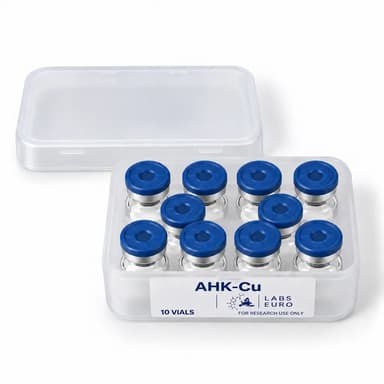
AHK-Cu

AHK-Cu

Skin≥99% purityBatch analytics
€109.00
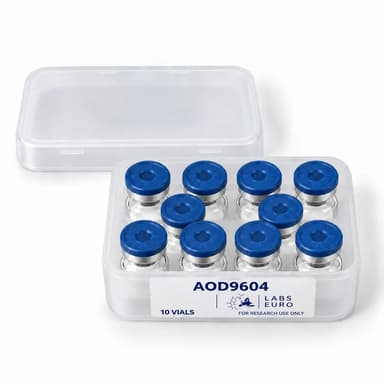
AOD-9604

AOD-9604

Weight management
€239.00
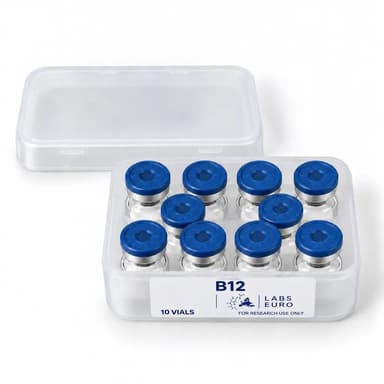
B12

B12

B12
€119.00
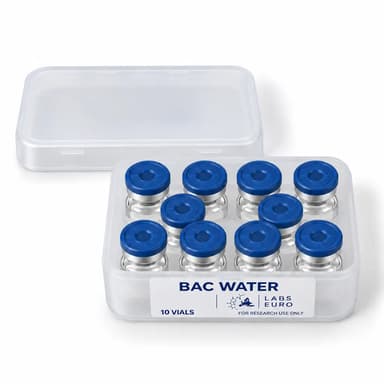
BAC Water 10 ml

BAC Water 10 ml

Laboratory suppliesBatch analyticsSterilUSP-konform
€39.00
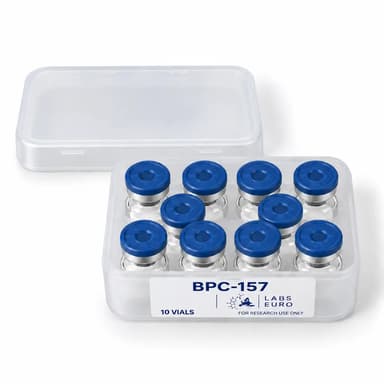
BPC-157

BPC-157

RecoverySkinAgeing research≥99% purityBatch analytics
€199.00
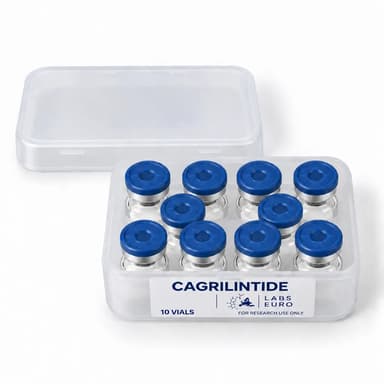
Cagrilintide 5 mg

Cagrilintide 5 mg

Weight management≥99% purityBatch analytics
€609.00
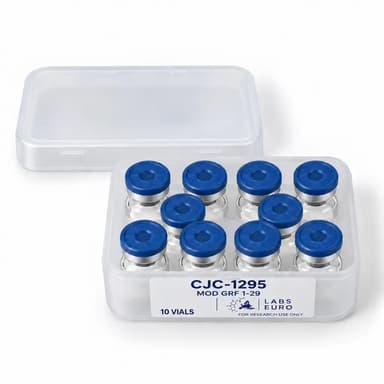
CJC-1295 (Mod GRF 1-29)

CJC-1295 (Mod GRF 1-29)

Growth hormoneRecoveryAgeing research≥99% purityBatch analytics
€269.00