Buy SS-31: a tetrapeptide at the center of mitochondrial research
SS-31, also known internationally as elamipretide, is a tetrapeptide made up of four amino acids. Its sequence D-Arg-dimethylTyr-Lys-Phe-NH2 combines a cationic structural framework with aromatic side chains; the amidated C-terminus and the net charge of +3 shape its physicochemical profile. It is this very combination that makes the molecule interesting for mitochondrial research, because it enables a directed interaction with the inner mitochondrial membrane.
Cardiolipin as a binding site on the inner membrane
Cardiolipin is an anionic phospholipid of the inner mitochondrial membrane. It shapes the cristae structure, the folded invaginations of this membrane, and supports the spatial organization of the respiratory chain complexes. Cardiolipin thus connects membrane architecture with the energy conversion of mitochondria.
The cristae enlarge the inner membrane surface and host a large proportion of the respiratory chain complexes. Their organization allows electron transport and ATP synthesis to act in a coordinated spatial arrangement.
SS-31 binds to this lipid. In model membranes, nuclear magnetic resonance showed that the aromatic side chains of dimethyltyrosine and phenylalanine penetrate cardiolipin-containing bilayers. This interaction did not occur in pure phosphatidylcholine membranes. The biochemical study on cardiolipin and cytochrome c describes selective binding to cardiolipin-containing membranes.
Cytochrome c and electron transport
Cytochrome c transports electrons between complexes III and IV of the respiratory chain. When bound to cardiolipin, it can also display peroxidase activity. SS-31 inhibited this activity in biochemical experiments and promoted the reduction of cardiolipin-bound cytochrome c by ascorbate or glutathione.
A retained coordination between the heme iron and the methionine residue Met80 was proposed as an explanation for the lower peroxidase activity. The study on cardiolipin binding and ischemic mitochondria links this finding to improved electron transfer at the mitochondrial membrane.
Coupled respiration and ATP formation in isolated mitochondria
In isolated mitochondria, SS-31 increased substrate- and ADP-supported respiration in State 3. At the same time, ATP production and the P/O ratio rose, while respiration in State 4 remained unchanged. State 3 denotes ADP-supported respiration; State 4 denotes respiration after ADP consumption.
A higher P/O ratio means more ATP formed per oxygen consumed and thus more efficient coupling of electron transport and phosphorylation. The measurements show this improved coupling in the isolated system; a clinical benefit does not automatically follow from it.
Clinical findings: primary mitochondrial myopathy and Barth syndrome
The MMPOWER-3 trial tested elamipretide in 218 people with primary mitochondrial myopathy over 24 weeks. The randomized, double-blind phase 3 trial missed both primary endpoints: neither the six-minute walk distance nor the prespecified fatigue measure improved significantly compared with placebo. This result applies to the patient group studied and cannot be transferred to other mitochondrial diseases.
Separate from this is the FDA's accelerated approval of Forzinity (elamipretide) in September 2025 for improving muscle strength in people with Barth syndrome and a body weight of at least 30 kg. The basis was knee extensor strength as a surrogate marker likely to predict a benefit; the FDA required a confirmatory placebo-controlled trial. The approval applies to this specific formulation and indication, not to SS-31 research material in general. The FDA announcement on the accelerated approval documents the decision and the required confirmatory trial.
Choosing SS-31 for research
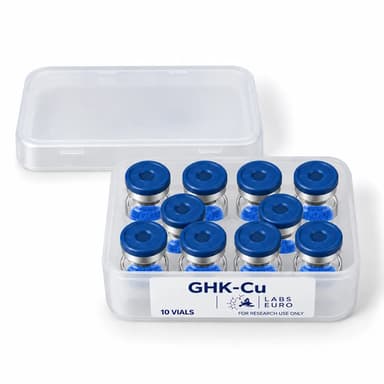
SS-31 is available in 10 mg and 50 mg variants. The milligram figures indicate the amount per vial, not the concentration. Anyone who wants to study cardiolipin and the organization of the respiratory chain can now buy SS-31 and choose the variant that suits the research project.